

Wuthering Heights Review
🍦🍦

Whilst writing this piece I visited Haworth, The Moors, and the Bronte’s home, to really immerse myself in these spaces, and to see where Wuthering Heights was written in 1845. The moors are wild, unforgiving, and yet beautifully breathtaking to see.
This latest adaptation of Wuthering Heights (2026) directed by Emerald Fennell, and released on 13th February. had seemingly a vast audience buzz around its release. Leaving audiences divided from the cast release and trailer. This is arguably the first time since Barbenhemier (2023) when people all over the UK flocked to the cinema to be part of a cultural event.
I came away from this film surprised that I enjoyed it more than I anticipated. I was mesmerised by how undeniably visually striking the film was, the comparison of the bleak moors against beautiful manors and the exquisite costumes, with the use of blood red floors and dresses throughout! The moors, in all their bleak splendour with wide skies sagging from the rain, and trees wuthered by relentless wind. The building itself, Wuthering Heights stands grim and weather-beaten, not prettified into some fantasy. Its stone walls appear porous with history; its interiors are dark, shadowed, close, and worn. The original farm that inspired Emily Bronte, was of the same brooding nature. Here, in both texture and palette, there is an acknowledgement of hardship. The costumes for Cathy (played by Margot Robbie), embodying the tension between her wildness and the social aspirations that constrict her, were phenomenal. Part of my reasoning for loving period drama so much are the costumes and sets, and both these ticked all the right boxes.
However, for all its visual care, the film seemed curiously bloodless, lacking real substance. The novel pulses with obsession, cruelty, desire, and a kind of elemental fury, it was shocking to those in the late 1800s when Bronte, a woman, wrote this book. Cathy and Heathcliffe (played by Jacob Elordi) are narcissistic, and cruel, you cannot love these characters, and yet I didn’t leave this film despising them both. The book itself is not a love story, it is a study in damage, caused by two incredibly selfish people. There were moments that transported me into the story, a glance of Cathy to Heathcliffe across an expanse of fog-scoured moors, the rattle of windows in a night storm with rain beating heavily, in those brief instances I glimpsed the ferocity the story demands, however the majority of the film felt beautiful rather than ferocious.
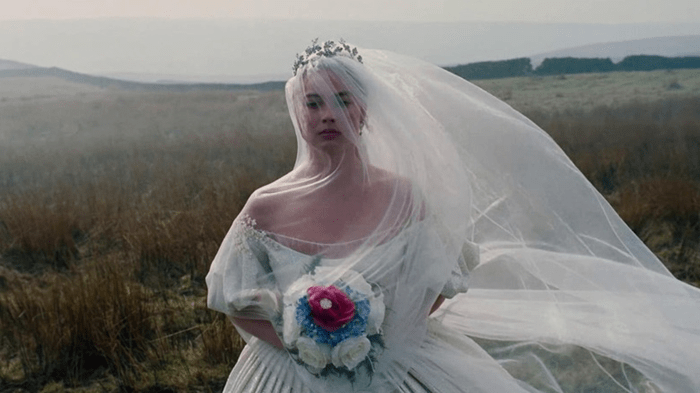
It felt almost voyeuristic, like watching through the window, rather than being a part of it. As a working-class, Northern woman it is impossible to ignore that there is a real difference between depicting hardship and understanding. You can research dialect (although I must say done beautifully by Jacob Elordi), replicate the mud, the dirt, and dress a set convincingly; but knowing what it is to measure every choice against survival, to feel the weight of class in every room you enter, is something else entirely. When a director like Emerald Fennell approaches this material, you cannot help but sense a gulf, not necessarily of talent, but of lived experience that is beyond her privilege.
Class in Wuthering Heights is not incidental, and it is the engine of the tragedy. It shapes who is valued, who is discarded, who is permitted to aspire and who is punished for it. Catherine’s decision to marry Edgar is not simply romantic cowardice; it is entangled with the brutal reality of security and status. Heathcliff’s rage is inseparable from the degradation he suffers as an outsider, not only within the Earnshaw household, but within a society that marks him as other from the moment he arrives. Even his cruel treatment of his wife in the novel, who he rapes his so severely she leaves him, to a consenting BDSM relationship, felt grotesque.
The casting of Heathcliff in this adaptation was particularly disappointing. In the novel, he is described as “dark-skinned,” and that descriptor carries narrative weight. His visible difference compounds his exclusion. It informs the suspicion and cruelty directed toward him. To dilute or sidestep that aspect is to smooth away a crucial layer of meaning. When Heathcliff is presented in a way that minimises his otherness, his fury risks being read as merely temperamental rather than historically and socially rooted.
Judgement based on race and class, is something that is still relevant today. The novel gestures toward that complexity, yet this film, for all its polish, retreats from it. The film seemed unaware of its own distance, there was a lingering sense of observation rather than immersion. As though the rawness of working-class life had been curated into something aesthetically compelling but emotionally safe.
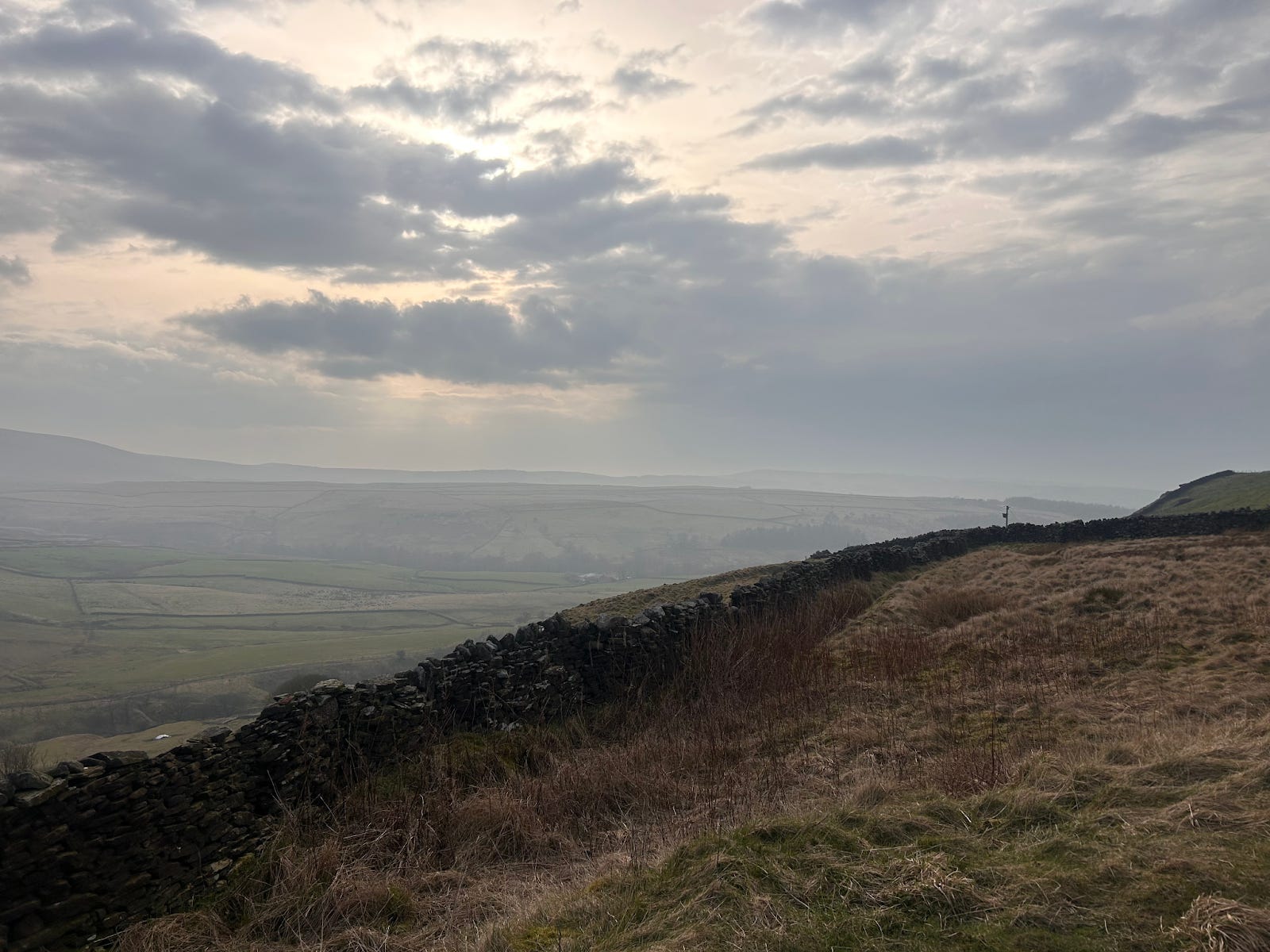
Although the film has had a positive impact uplifting this story, with novel seeing a 500% increase in sales month on month, according to Penguin books.There has also been a major tourism surge in Haworth (where the Bronte sisters lived) and the surrounding Yorkshire moors, with a 200% increase in searches for the village and significant boosts to the Brontë Parsonage Museum. So there has to be something said of adaptations bringing these stories to the forefront of conversations again.
As a Charli XCX fan, I loved the soundtrack, my favourite tracks are both House (opening sequence) and Funny Mouth, although the result was it felt like a highly polished music video, beautiful but rarely harrowing enough to be Wuthering Heights.
My final thoughts on this film is that beauty alone cannot sustain a narrative born of such violence of feeling. Wuthering Heights should unsettle; it should leave a scar long after you put down the story. It reminds us that love, when warped by class, prejudice, and pride, can become something destructive, like the moors, it can be merciless. For all its beauty this adaptation failed to embody the spirit of this novel.
 | A guest post by
|